

Home > Company News
Nasal polyps are usually benign, edematous growths related to chronic inflammation of the nose and sinuses. They commonly occur with chronic rhinosinusitis, asthma, allergy, or eosinophilic inflammation. Polyps may be isolated or may involve both nasal cavities and several sinuses. Typical symptoms include persistent blockage, reduced or absent smell, nasal drainage, facial pressure, and mouth breathing during sleep.
Typical inflammatory polyps are often bilateral. A new unilateral mass, recurrent bleeding, marked pain, or rapid growth should not automatically be labeled a routine polyp. Fungal disease, inverted papilloma, and other tumors may need to be excluded.
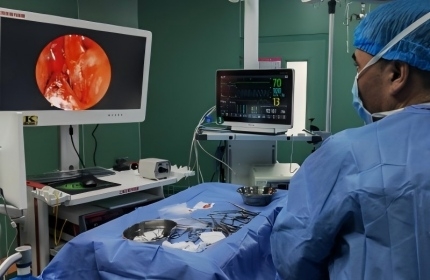
• Nasal endoscopy shows polyp distribution, discharge, mucosal inflammation, and possible anatomic obstruction.
• Sinus CT defines the extent of disease and the relationship to the orbit, skull base, and other structures used for surgical planning.
• The team reviews prior medical therapy, asthma, reactions to aspirin or nonsteroidal anti-inflammatory drugs, bleeding risk, and anesthesia considerations.
• A unilateral or atypical lesion may require tissue diagnosis rather than a conclusion based on appearance alone.
Saline irrigation and an intranasal corticosteroid are common foundations of long-term treatment. Selected patients may receive a short course of oral corticosteroid after medical assessment. Antibiotics are reserved for appropriate infectious indications and are not routine treatment for every polyp. Biologic therapy may be considered in selected patients with severe, recurrent type 2 inflammatory disease.
Endoscopic surgery may be recommended when appropriate medical therapy does not adequately control obstruction, smell loss, or recurrent sinus disease, when extensive polyps block sinus drainage, or when tissue is needed to clarify the diagnosis.
Modern endoscopic sinus surgery is performed through the nostrils. Under direct visualization, the surgeon removes obstructive polyp tissue, opens the natural drainage pathways of involved sinuses, and preserves healthy mucosa whenever possible. The goal is not simply to remove visible polyps; surgery also improves ventilation and allows saline and topical medication to reach inflamed areas more effectively afterward.
The extent of surgery is individualized according to CT findings, endoscopy, previous procedures, and disease type. A fixed instrument, fixed resection pattern, or single anesthesia plan cannot be applied to every patient.
Short-term congestion, mild bloody drainage, crusting, and discomfort are common. Bleeding, infection, and intranasal adhesions require monitoring. Serious complications such as orbital injury or cerebrospinal fluid leak are uncommon but should still be addressed during informed consent.
Because nasal polyps reflect chronic inflammation, surgery cannot guarantee that they will never recur. Clinician-directed saline care, intranasal corticosteroid treatment, endoscopic follow-up, and control of asthma or other inflammatory factors are important for maintaining the result.
This article is for health education and web-content reference only. It does not replace an in-person medical assessment, diagnosis, or treatment. Surgical candidacy and the treatment plan must be determined by qualified ENT professionals.

+86-13167065777
Building 5A, No. 9628, Hunan Highway, Pudong New Area, Shanghai, China
 Links:
Shanghai Shiyin Photoelectric Instrument Co.,Ltd. All Right Reserved