

Home > Company News
Congestion, discharge, sneezing, and itching may result from allergic rhinitis, nonallergic rhinitis, viral infection, medication-induced rhinitis, or chronic rhinosinusitis. Some patients also have septal deviation, turbinate enlargement, nasal polyps, or adenoid disease. Treatment is more effective when the dominant type and contributing conditions are identified instead of repeatedly changing medication without a working diagnosis.
Symptoms limited to a season or linked to dust mites, pollen, or animal exposure raise the possibility of allergy. Watery discharge triggered by cold air, odors, temperature change, or eating, without evidence of allergy, may suggest nonallergic rhinitis. Colored mucus alone does not prove a bacterial infection.
• Record when congestion, discharge, sneezing, itching, and smell changes occur and how long they last.
• Note changes after time in the bedroom, workplace, pollen season, cold air, fragrance, smoke, or animal exposure.
• List every nasal spray, oral medicine, and supplement, including frequency and any self-directed stopping.
• Include asthma, eczema, snoring, recurrent sinus disease, and a family history of allergy.
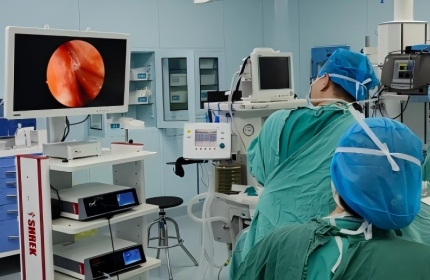
Assessment usually begins with history and nasal examination. When symptoms persist, remain markedly one-sided, affect smell, or respond unexpectedly, nasal endoscopy can assess mucosal swelling, discharge, turbinates, polyps, and structural abnormalities. Skin-prick or serum-specific IgE testing may be useful when a relevant allergen is suspected. Sinus CT is generally reserved for suspected chronic rhinosinusitis, complications, or surgical planning rather than routine uncomplicated rhinitis.
• Reduce exposure to confirmed triggers, maintain reasonable ventilation, and avoid tobacco smoke and strong odors.
• Use isotonic saline spray or irrigation to clear secretions and allergens, with safe water and a clean device.
• Select an intranasal corticosteroid, antihistamine, or another medicine according to the rhinitis type and use proper spray direction.
• Review progress and adjust treatment according to symptoms, smell, sleep, and medication tolerance.
An intranasal corticosteroid often requires regular use over time for full benefit and is not an instant decongestant. A topical decongestant can open the nose quickly, but prolonged continuous use may cause rebound congestion. Unless a clinician gives different instructions, it should not be self-used continuously beyond a few days.
After the diagnosis, adherence, and spray technique are confirmed, a specialist may consider allergen immunotherapy, coordinated management of sinus disease or asthma, or treatment of a structural obstruction. Surgery is not first-line treatment for routine rhinitis and cannot guarantee permanent freedom from symptoms. Nerve-targeted procedures are reserved for selected refractory cases, with benefits, risks, and local availability discussed individually.
Persistent one-sided obstruction, recurrent unilateral bleeding, facial numbness or swelling, visual change, severe headache, high fever, or continuous watery drainage from one side should not be managed as routine rhinitis alone. Breathing difficulty or a marked asthma flare requires urgent medical attention.
/ Medical Disclaimer
This article is for health education and web-content reference only. It does not replace an in-person medical assessment, diagnosis, or treatment. Rhinitis classification, medication, and any procedural decision must be individualized by qualified healthcare professionals.

+86-13167065777
Building 5A, No. 9628, Hunan Road, Pudong New Area, Shanghai, China
Shanghai Shiyin Photoelectric Instrument Co.,Ltd. All Right Reserved


 Links: